

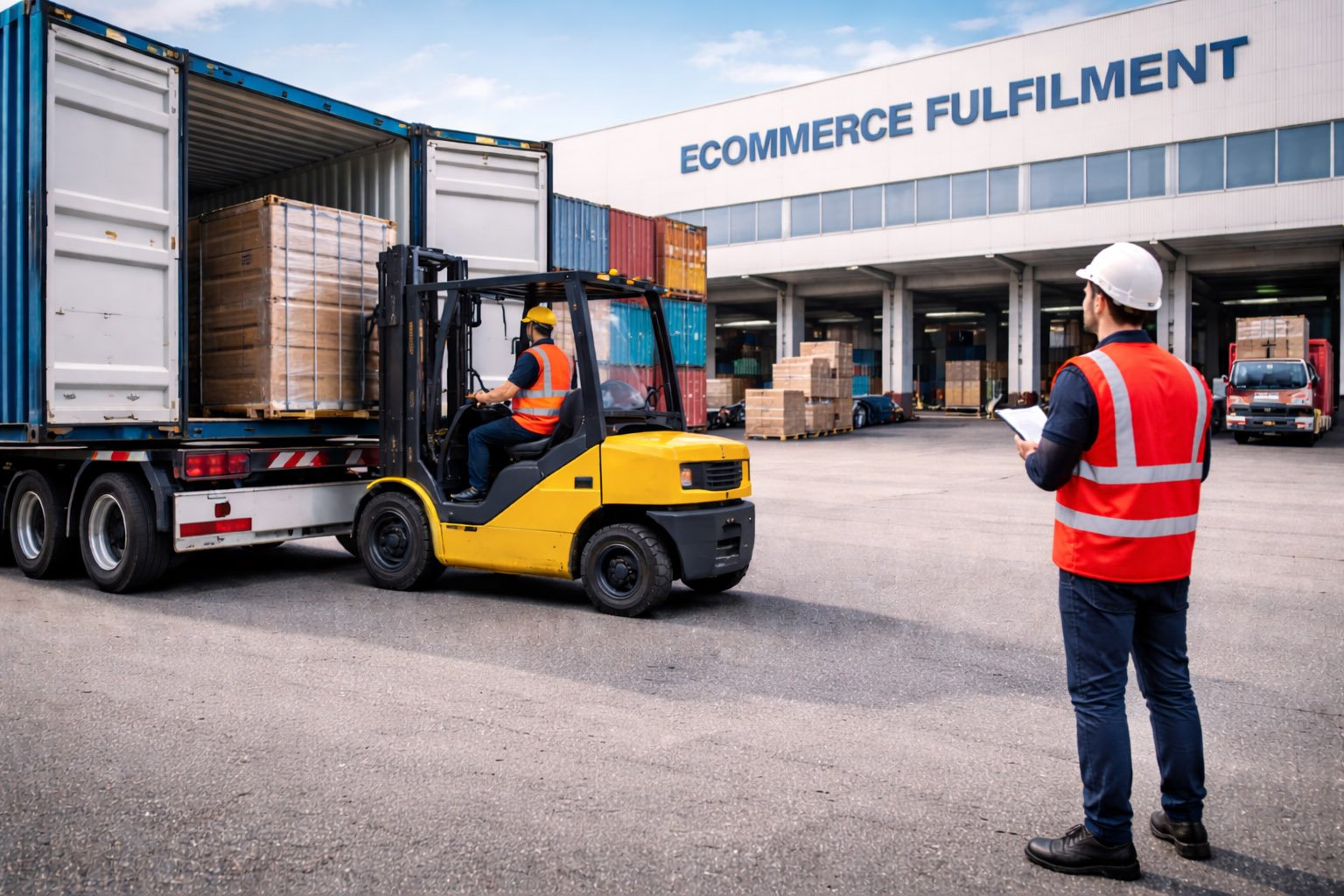
Why Container Transport Is Critical for Ecommerce Fulfilment
Behind every successful ecommerce operation lies a well-managed supply chain. While much of the focus is placed on pick and pack, parcel delivery and customer experience, container transport is often the unseen engine driving everything forward.
For ecommerce businesses importing stock from overseas manufacturers, container transport is the first operational link between international shipping and local fulfilment.
If that link fails, everything else slows down.
From Port to Warehouse: The Crucial First Step
Once containers arrive at port, timing becomes critical. Delays can result in:
– Storage and demurrage charges
– Missed retail launches
– Stock shortages
– Customer delivery delays
Professional container transport ensures swift collection from port and direct delivery to the fulfilment centre. By reducing waiting time and improving coordination, businesses maintain supply chain momentum.
At Ecommerce Fulfilment Centre, container transport integrates directly with our warehousing operations. This means containers can move seamlessly from port to unloading bays without unnecessary handling stages.
Reducing Risk in the Supply Chain
Container haulage is not simply about moving freight. It requires careful coordination, compliance awareness and secure handling procedures.
Effective container transport:
– Protects goods in transit
– Minimises handling damage
– Reduces administrative delays
– Aligns with warehouse booking schedules
– Improves overall supply chain visibility
When transport and warehousing operate together, stock can move directly into storage, pick locations or staging areas without friction.
Supporting High-Volume Ecommerce Operations
Ecommerce businesses often import large volumes of stock in full container loads. During peak trading periods such as Black Friday or Christmas, transport delays can be costly.
Reliable container transport ensures:
– Predictable inbound scheduling
– Faster inventory availability
– Reduced out-of-stock risk
– Improved launch planning
– Smoother scaling during growth phases
By combining container transport with fulfilment services, ecommerce brands gain a stable and scalable logistics foundation.
Integrated Logistics Creates Competitive Advantage
When container transport operates separately from warehousing, inefficiencies arise. Misaligned schedules, paperwork errors and unloading delays can disrupt the entire process.
An integrated logistics approach ensures:
– Direct port-to-warehouse coordination
– Pre-booked unloading slots
– Immediate inventory logging
– Rapid transition into fulfilment workflows
This integration shortens lead times and improves operational accuracy.
For ecommerce brands focused on growth, that operational efficiency becomes a competitive advantage.
Container Transport as Part of a Complete Fulfilment Strategy
Container transport should never be treated as an isolated service. It is part of a wider fulfilment ecosystem that includes:
– Import storage and holding
– Container loading and unloading
– Inventory management
– Pick and pack fulfilment
– Parcel and pallet distribution
When these services work together, ecommerce businesses benefit from lower operational risk and greater supply chain control.
Final Thoughts
Container transport may not be visible to customers, but it is fundamental to ecommerce success. Efficient port-to-warehouse movement ensures products are available, fulfilment runs smoothly and growth remains sustainable.
For ecommerce businesses seeking reliability, speed and scalability, professional container transport is not optional — it is essential.
0 Comments