
Why Returns Management Is Critical for Ecommerce Success
Returns management has become one of the most important operational challenges facing ecommerce businesses today. As online shopping continues to grow, customer expectations around returns have changed dramatically. Fast refunds, clear communication, and hassle-free processes are no longer optional — they are a baseline requirement.
For ecommerce brands looking to scale sustainably, effective returns management is not just about handling unwanted products. It is about protecting profit margins, maintaining accurate inventory, and preserving long-term customer trust.
The Growing Impact of Returns on Ecommerce Operations
Ecommerce returns are increasing year on year, driven by factors such as online sizing uncertainty, impulse purchasing, and higher customer expectations. While returns may be unavoidable, poorly managed returns can quickly erode profitability.
Common challenges include:
-
Delayed processing and refunds
-
Inventory inaccuracies
-
Increased handling costs
-
Poor visibility across return volumes
Without a structured returns management process, businesses often find themselves reacting to returns rather than controlling them.
What Is Ecommerce Returns Handling?
Returns management refers to the end-to-end process of receiving, inspecting, processing, and resolving returned goods. In ecommerce environments, this process must operate efficiently while aligning with customer service policies and brand values.
Effective returns management typically includes:
-
Logging and tracking returned items
-
Inspecting product condition
-
Deciding on restocking, refurbishment, or disposal
-
Updating inventory systems
-
Providing reporting and insights
When managed correctly, returns management becomes a controlled operational function rather than a disruptive cost centre.
Why Returns Management Directly Affects Customer Experience
Returns are often the final interaction a customer has with a brand. A slow or confusing returns process can undo the positive experience created during purchase and delivery.
According to Shopify, customers are more likely to buy again from brands that offer clear, efficient returns processes.
Strong returns management supports:
-
Faster refunds
-
Transparent communication
-
Increased customer confidence
-
Higher repeat purchase rates
For ecommerce brands, improving returns management is often one of the fastest ways to improve customer satisfaction.
The Operational Cost of Poor Returns Management
Handling returns internally without proper systems can place significant strain on ecommerce operations. Manual processing, limited warehouse space, and inconsistent handling standards all contribute to inefficiency.
Poor returns management often leads to:
-
Increased labour costs
-
Stock sitting idle
-
Lost resale opportunities
-
Higher error rates
As order volumes grow, these issues compound, making returns management increasingly difficult to control without specialist support.
How Professional Returns Management Improves Efficiency
Outsourcing returns management to a fulfilment specialist allows ecommerce brands to implement structured workflows supported by trained staff and appropriate infrastructure.
At Ecommerce Fulfilment Centre, returns management services are designed to integrate seamlessly with outbound fulfilment processes such as pick and pack fulfilment, creating a closed operational loop from dispatch to return.
This integrated approach enables:
-
Faster processing times
-
Accurate stock reconciliation
-
Clear reporting and traceability
-
Reduced operational disruption
Returns are handled consistently, regardless of volume fluctuations.
Reverse Logistics in Ecommerce
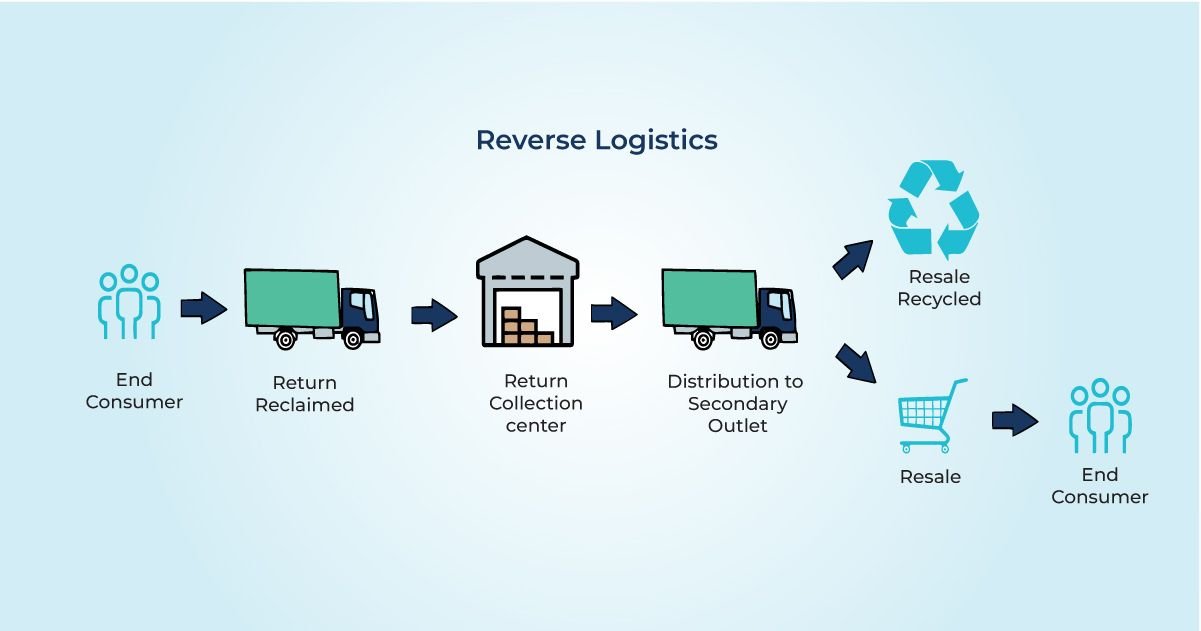
Reverse logistics — the movement of goods from the customer back to the warehouse — is often more complex than outbound shipping. Multiple carriers, varying packaging conditions, and unpredictable volumes add layers of complexity.
According to BigCommerce, businesses that optimise reverse logistics can significantly reduce the cost impact of returns.
Professional returns management consolidates reverse logistics into a single, controlled process, often supported by established parcel distribution networks.
Using Returns Data to Improve Ecommerce Performance
One of the most overlooked benefits of effective returns management is data insight. By analysing returns trends, ecommerce brands can identify recurring issues and take proactive steps to reduce future returns.
Returns management reporting can highlight:
-
Product defects
-
Packaging issues
-
Fulfilment errors
-
Customer behaviour patterns
This insight allows businesses to improve product listings, packaging, and fulfilment accuracy over time.
Returns Within a 3PL Fulfilment Model
For many ecommerce brands, returns management forms part of a wider 3PL fulfilment strategy. Managing inbound returns alongside storage, picking, packing, and outbound distribution provides a unified operational view.
This approach reduces handovers, improves communication, and ensures inventory accuracy across the fulfilment lifecycle. It also simplifies vendor and courier coordination.
Who Benefits Most From Outsourced Returns Management?
Returns management services are particularly valuable for:
-
Growing ecommerce brands
-
High-volume retailers
-
Subscription-based businesses
-
Marketplace sellers
-
Brands operating across multiple channels
As return volumes increase, outsourcing returns management allows businesses to maintain service standards without increasing internal overhead.
Learn More About EFCL’s Returns Management Services
If returns are impacting your margins, customer experience, or operational efficiency, professional returns management could make a measurable difference. Ecommerce Fulfilment Centre offers structured, scalable returns management services designed specifically for ecommerce environments.
👉 Learn more about Returns Management services here:
https://ecommercefulfilmentcentre.com/ecommerce-fulfilment/returns-management/
0 Comments