


Running a successful ecommerce business is about far more than attracting customers and making sales. Behind every order is a complex process involving inventory management, storage, picking, packing, shipping, returns handling, and customer communication. When fulfilment runs smoothly, customers barely notice it. When it goes wrong, it can damage your reputation very quickly.
For growing online retailers across the UK and Europe, ecommerce fulfilment has become one of the most important parts of business operations. Fast delivery expectations, multichannel selling, and increasing competition mean that fulfilment is no longer simply a warehouse function. It is now a major factor in customer experience, retention, and profitability.
This is why many businesses are turning to professional ecommerce fulfilment services and experienced 3PL providers such as EFCL (Ecommerce Fulfilment Centre).
What Is Ecommerce Fulfilment?
Ecommerce fulfilment is the complete process of handling customer orders after a purchase has been made online.
It typically includes:
- Receiving and storing stock
- Inventory management
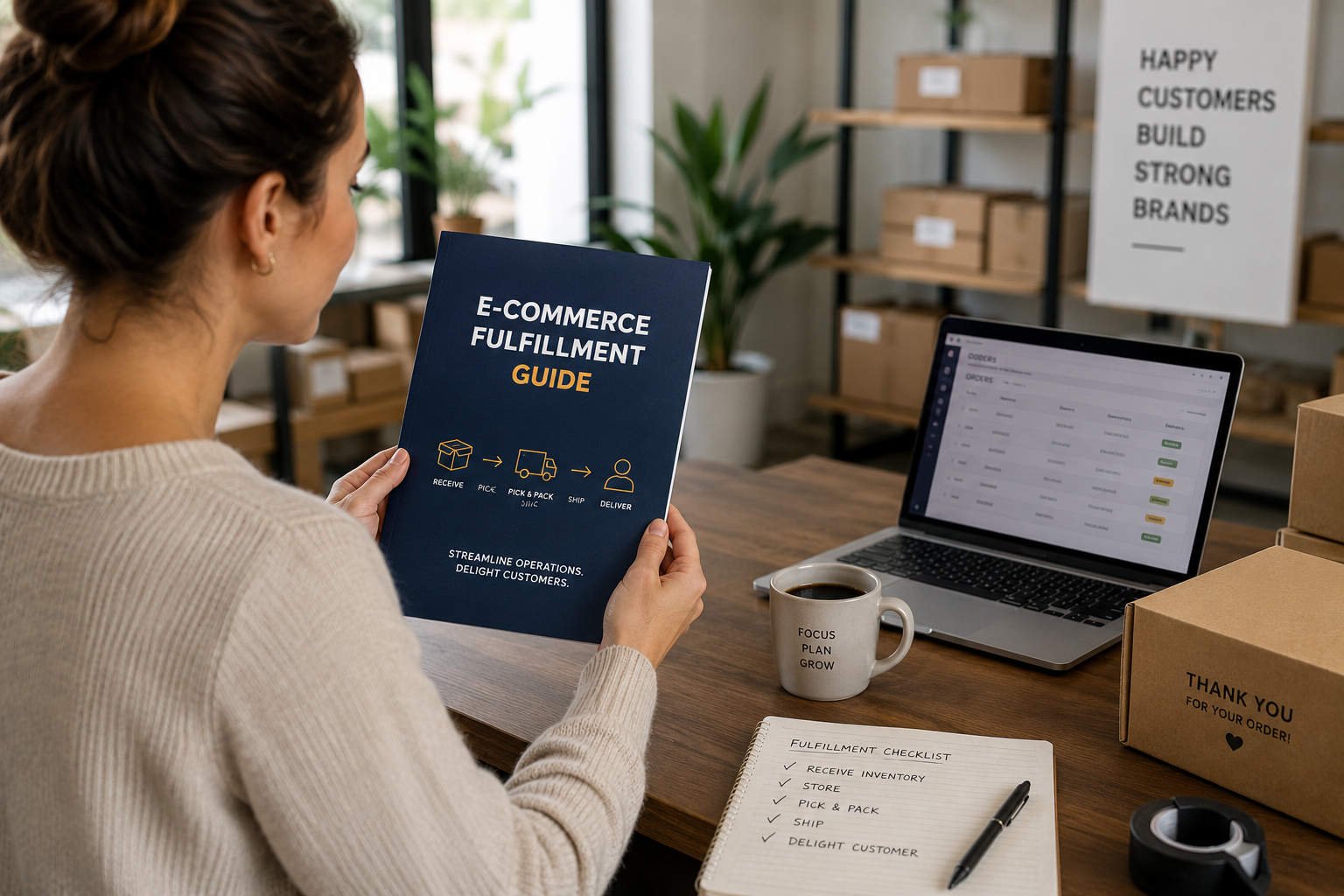
- Pick and pack fulfilment
- Packaging and labelling
- Shipping and dispatch
- Tracking management
- Returns processing
- Reporting and stock visibility
Whether customers buy through Shopify, WooCommerce, Amazon, eBay, TikTok Shop, or multiple marketplaces simultaneously, fulfilment ensures those orders move efficiently from warehouse shelf to customer doorstep.
Without strong fulfilment systems, businesses often experience delayed shipments, inaccurate stock counts, damaged goods, and customer complaints.
The Growing Challenges Facing Ecommerce Businesses
The ecommerce market continues to grow rapidly across the UK and Europe. While this creates opportunities, it also introduces operational challenges.
Many businesses begin by packing orders from spare rooms, garages, or small warehouses. Initially this works well, but growth creates pressure.
Common problems include:
Limited Storage Space
As product ranges increase, businesses often run out of space. Stock becomes difficult to organise, leading to slower order processing and higher error rates.
Time Lost Packing Orders
Business owners frequently find themselves spending more time printing labels and packing parcels than focusing on marketing, product development, or customer growth.
Seasonal Demand Peaks
Periods such as Black Friday, Christmas, promotional campaigns, and product launches can overwhelm internal teams.
Multi-Channel Complexity
Selling on Amazon alone is manageable. Selling across Shopify, WooCommerce, eBay, TikTok Shop, and marketplaces simultaneously introduces inventory challenges that require more sophisticated systems.
Customer Expectations
Customers now expect:
- Fast dispatch
- Accurate deliveries
- Real-time tracking
- Easy returns
- Professional packaging
A poor fulfilment experience can quickly result in negative reviews and lost repeat business.
Why Businesses Are Moving Towards 3PL Ecommerce Fulfilment
A professional third-party logistics provider (3PL) manages fulfilment operations on behalf of online retailers.
Instead of investing heavily in warehouses, staff, equipment, and systems, businesses outsource fulfilment to specialists.
This creates several advantages.
Improved Scalability
One of the biggest benefits of outsourcing fulfilment is flexibility.
As order volumes grow, warehouse operations can expand without forcing businesses to move premises or recruit additional staff.
Businesses can scale faster without increasing operational pressure.
Better Order Accuracy
Professional fulfilment centres use organised storage systems, barcode scanning, inventory controls, and warehouse processes that reduce errors.
Accurate picking means fewer returns and happier customers.
Faster Shipping
Speed matters in ecommerce.
Professional fulfilment centres streamline workflows so that orders move quickly from purchase to dispatch.
This helps businesses remain competitive in a market where delivery times influence buying decisions.
Reduced Operational Costs
Many companies assume outsourcing fulfilment increases expenses.
In reality, professional ecommerce fulfilment often reduces costs by lowering:
- Warehouse overheads
- Staffing requirements
- Packaging waste
- Shipping inefficiencies
- Inventory errors
Businesses can then focus investment on growth activities rather than logistics.
Pick and Pack Fulfilment – The Core of Successful Ecommerce Operations
Pick and pack fulfilment is one of the most important services offered by fulfilment centres.
The process sounds simple:
- Receive order
- Pick products from storage
- Pack items securely
- Label shipment
- Dispatch to customer
However, high order volumes make this process significantly more complex.
A professional pick and pack system improves:
- Dispatch speed
- Inventory accuracy
- Packaging consistency
- Customer satisfaction
- Brand presentation
Even small improvements in fulfilment efficiency can produce major long-term savings.
For businesses processing hundreds or thousands of orders monthly, this becomes critical.
Returns Management Is Often Overlooked
Returns are a reality of ecommerce.
Customers expect simple return procedures, particularly within fashion, lifestyle, electronics, and consumer goods sectors.
Poor returns processes often create:
- Delayed refunds
- Stock inaccuracies
- Customer complaints
- Increased support workload
Professional fulfilment providers manage return inspections, inventory updates, product handling, and reporting.
Efficient returns management helps businesses recover stock faster while maintaining customer confidence.
Supporting Multi-Channel Ecommerce Growth
Modern retailers rarely sell through one platform.
Many businesses operate across:
- Shopify
- WooCommerce
- Amazon
- eBay
- TikTok Shop
- Marketplace networks
This creates inventory synchronisation challenges.
Without integrated fulfilment systems, overselling becomes a major risk.
Professional ecommerce fulfilment providers help centralise stock management so inventory remains accurate across channels.
This improves visibility and reduces manual administration.
For growing businesses, this can save substantial time every week.
The Importance of Warehousing in Ecommerce Fulfilment
Warehousing is no longer simply about storage.
Modern fulfilment warehouses support:
- Pallet storage
- Short-term inventory holding
- Long-term warehousing
- Container unloading
- Product relabelling
- Barcoding
- Reworking services
- Distribution preparation
Strategically located fulfilment centres also help reduce transit times and improve delivery performance.
For retailers selling throughout the UK and Europe, warehouse positioning plays an important role in logistics efficiency.
How the Right Fulfilment Partner Supports Growth
Choosing an ecommerce fulfilment provider is not only about warehouse size.
Businesses should look for partners that understand ecommerce operations and customer expectations.
Important considerations include:
Visibility
Can you access stock levels, order updates, and shipment information easily?
Flexibility
Can fulfilment scale during peak periods?
Integration
Does the system support Shopify, WooCommerce, Amazon, eBay, and other platforms?
Accuracy
What processes exist to reduce fulfilment errors?
Experience
Does the provider understand ecommerce logistics rather than traditional storage alone?
The right partner becomes an extension of your business.
Final Thoughts
Ecommerce growth creates exciting opportunities, but it also increases operational complexity.
Storage challenges, rising order volumes, returns handling, and customer expectations place pressure on online retailers every day.
Professional ecommerce fulfilment helps remove that pressure.
By outsourcing logistics to experienced fulfilment specialists, businesses gain the freedom to focus on marketing, customer relationships, product development, and expansion.
Reliable fulfilment is no longer simply a warehouse service.
It is a competitive advantage.
For businesses looking to improve efficiency, reduce operational stress, and scale across the UK and Europe, professional ecommerce fulfilment solutions can become one of the most valuable investments in long-term growth.
0 Comments